
Microbiology is the study of microorganisms - bacteria, protozoal
parasites, viruses and fungi. These organisms can only be seen under the
microscope but despite their size these micro-organisms, or microbes
for short, have a massive impact on our lives. It has been estimated
that there are 5X1030 or 5 million trillion, trillion, microbial cells
on Earth. The total amount of carbon in these cells is equivalent to
that of all of the plants on the planet! They collectively constitute
the largest mass of living material on earth and play a critical role in
shaping the environment that we live in. Humans, plants and animals are
intimately tied to the activities of microbes which recycle key
nutrients and degrade organic matter. Some microbes, however, are
pathogenic.
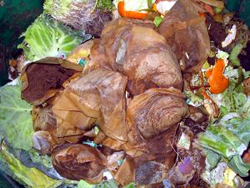 Microbes also play a key role in the nitrogen cycle. Bacteria in the
soil convert atmospheric nitrogen into nitrates in the soil. Nitrates
are an essential plant nutrient – they need the nitrogen for proteins -
and the plants themselves provide food for live stock and other animals.
The nitrogen locked in plant and animal proteins is then degraded into
nitrates by microbes and eventually converted back into nitrogen by
denitrifying bacteria. Compost heaps are a fantastic example of how
effectively microbes breakdown organic matter. The mixture of garden
weed, grass clippings and mouldy fruit and veg is decomposed rapidly by
fungi and bacteria into carbon dioxide and plant compost containing
nourishing nitrates and nitrites. Without the recycling power of
microbes dead vegetation, carcasses and food waste would start piling up
around us! In the UK 6.7 million tonnes of food waste is thrown away
every year. Imagine what would happen to the Earth if this waste just
sat there and wasn’t degraded…
Microbes also play a key role in the nitrogen cycle. Bacteria in the
soil convert atmospheric nitrogen into nitrates in the soil. Nitrates
are an essential plant nutrient – they need the nitrogen for proteins -
and the plants themselves provide food for live stock and other animals.
The nitrogen locked in plant and animal proteins is then degraded into
nitrates by microbes and eventually converted back into nitrogen by
denitrifying bacteria. Compost heaps are a fantastic example of how
effectively microbes breakdown organic matter. The mixture of garden
weed, grass clippings and mouldy fruit and veg is decomposed rapidly by
fungi and bacteria into carbon dioxide and plant compost containing
nourishing nitrates and nitrites. Without the recycling power of
microbes dead vegetation, carcasses and food waste would start piling up
around us! In the UK 6.7 million tonnes of food waste is thrown away
every year. Imagine what would happen to the Earth if this waste just
sat there and wasn’t degraded…
Microbiology and the Evolution of Life on Earth
Microbes have existed on Earth for billions of years and were here long before plant and animal life began. For the majority of its 4.5 billion year history, life on Earth was exclusively microbial. Microbial cells first appeared between 3.8 and 3.9 billion years ago. The fossilised remains of these early bacteria can be detected in stromatolites - rock-like build ups of microbial mats and trapped sediment. When the Earth first formed there was no oxygen present and only bacteria which could grow without oxygen could thrive. Eventually a group of bacteria called cyanobacteria evolved which were able to photosynthesise, thus generating oxygen. At this point the long process of oxygenating the world began, starting the slow, gradual process of the evolution of aerobic forms of life, including animals and plants.Microbes as Guardians of the Earth
Microbes act as guardians of our planet ensuring that key minerals, such as carbon and nitrogen, are constantly recycled. Even though the Earth is now populated with green plants, microbes still play a crucial role in oxygenating the atmosphere and collectively they carry out more photosynthesis than plants. Microbes degrade dead organic matter, converting the organic carbon in their bodies back into carbon dioxide.
Microbes also play a key role in the nitrogen cycle. Bacteria in the
soil convert atmospheric nitrogen into nitrates in the soil. Nitrates
are an essential plant nutrient – they need the nitrogen for proteins -
and the plants themselves provide food for live stock and other animals.
The nitrogen locked in plant and animal proteins is then degraded into
nitrates by microbes and eventually converted back into nitrogen by
denitrifying bacteria. Compost heaps are a fantastic example of how
effectively microbes breakdown organic matter. The mixture of garden
weed, grass clippings and mouldy fruit and veg is decomposed rapidly by
fungi and bacteria into carbon dioxide and plant compost containing
nourishing nitrates and nitrites. Without the recycling power of
microbes dead vegetation, carcasses and food waste would start piling up
around us! In the UK 6.7 million tonnes of food waste is thrown away
every year. Imagine what would happen to the Earth if this waste just
sat there and wasn’t degraded…


0 comments:
Post a Comment